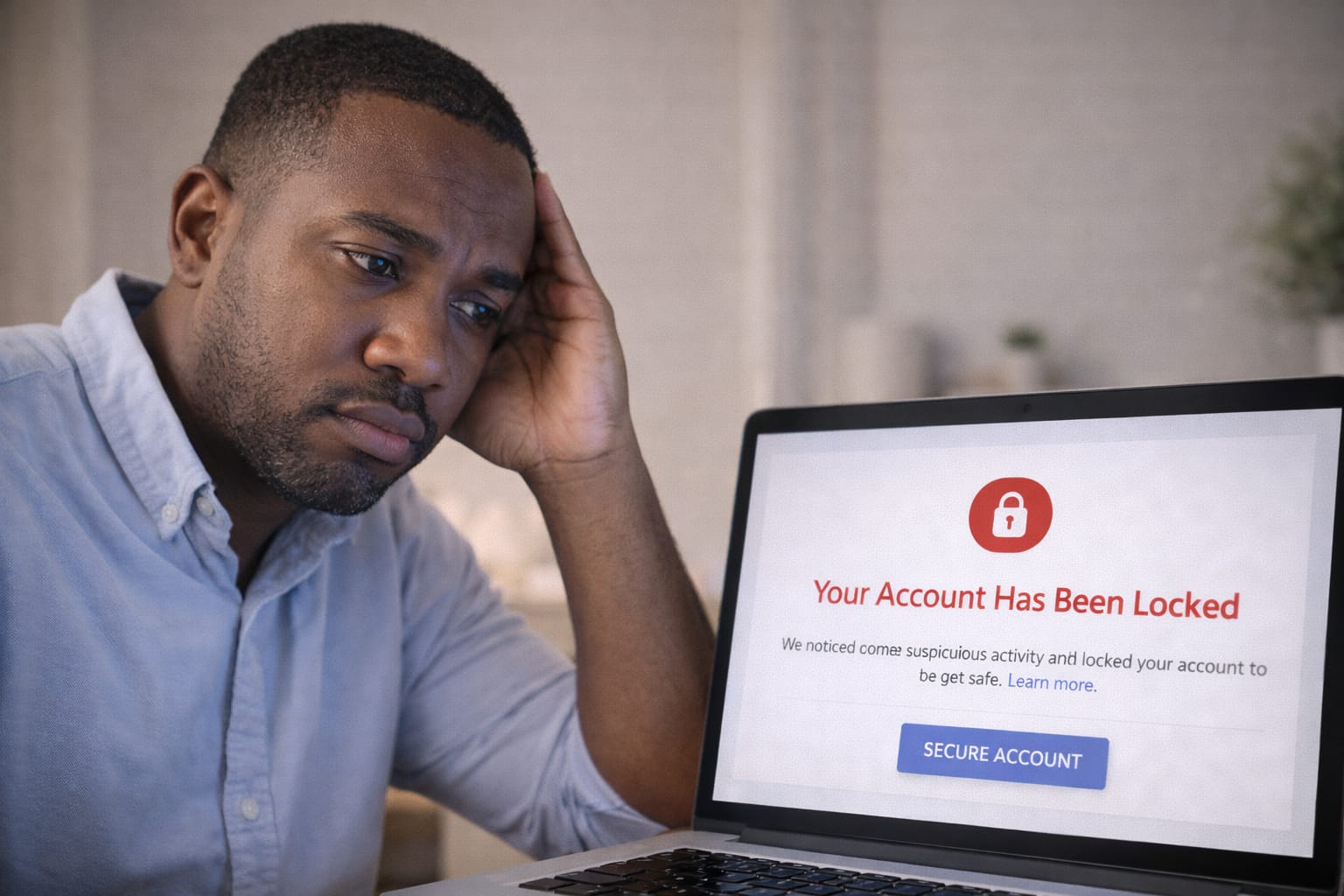
Having your account locked or disabled can be stressful, especially if it affects your blog, YouTube channel, or other digital tools you rely on. This beginner-friendly guide explains how to recover locked or disabled accounts using simple step-by-step troubleshooting methods. Whether your login fails, the verification code doesn’t arrive, or access was disabled, this tutorial will help you restore access safely.
Why Does This Problem Happen?
Short Answer (AEO Ready):
Accounts get locked or disabled when the system detects unusual activity, incorrect passwords, outdated recovery details, or security violations. Based on user reports, most issues come from login attempts, forgotten passwords, or outdated email/phone numbers.
Common Causes:
- Multiple wrong password attempts
- Outdated recovery email or phone
- Suspicious login location or device
- Violation of platform guidelines
- Temporary system security lock
- Cache or outdated app interfering with login
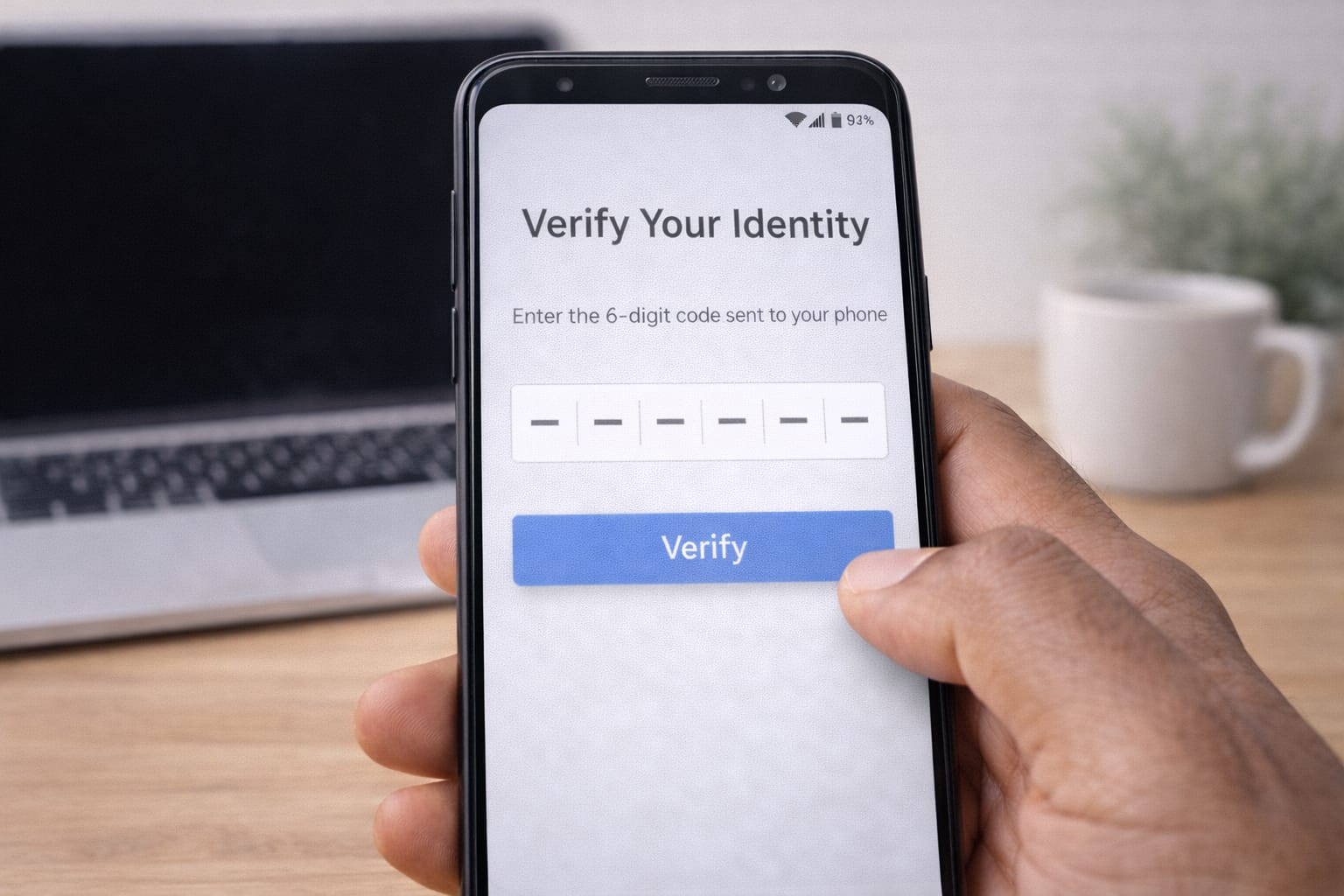
Step-by-Step Fixes to Recover Locked or Disabled Accounts
Use the Platform’s Official Account Recovery Tool
Short Answer:
Most platforms like Google, Facebook, Instagram, and YouTube allow recovery through a verification process.
Steps:
- Go to the login page.
- Click “Forgot password” or “Trouble signing in?”
- Choose phone, email, or backup code verification.
- Follow on-screen instructions.
➤ [Insert image: Google Account Recovery Page]
If one verification option fails, try another one — platforms usually offer multiple recovery paths.
Clear Cache and Try Logging in Again (Mobile and Computer)
Short Answer:
Cache issues can prevent accounts from recognizing correct login sessions.
Steps (Android):
- Settings → Apps → Select the app → Storage → Clear cache.
- Restart the device and try again.
Steps (Browser):
- Open Chrome → Menu → Clear browsing data.
- Log in through incognito mode.
If this method does not work, move on to account recovery as described above.
Recover Accounts Without Email or Phone
Short Answer:
Some platforms allow alternative methods when you lose access to your phone or email.
Options:
- Use backup codes (YouTube/Google users often save these).
- Confirm your identity using a previously logged-in device.
- Submit a government ID (Facebook/Instagram).
- Answer security questions (older accounts).
Tip: If you can’t access phone/email, try using the device you previously used to log in.
Fix Disabled Accounts (YouTube, Google, Facebook)
Short Answer:
Disabled accounts usually require submitting an appeal or verification form.
Steps:
- Go to the platform’s Appeal or Request Review page.
- Enter the email or username of the disabled account.
- Explain the issue briefly (avoid long details).
- Submit and wait for a response from support.
Alternative Fix (If Main Methods Don’t Work)
Short Answer:
Use web versions, switch devices, or submit an appeal form to regain access.
Try These Options:
- Log in from another device previously used.
- Use web browser instead of the app.
- Reset your password using the account recovery form.
- Submit an official review request if your account was disabled for policy reasons.
- Temporarily remove VPN or proxy (can block verification).
If alternatives fail, contacting official support is often the final fix.
How to Contact Official Support (Safe Links Allowed)
Short Answer:
You can use each platform’s help center for guided recovery steps.
Support Pages You Can Search:
- Google Account Recovery: Search “Google account recovery” on Google.
- YouTube Help: Search “YouTube Help Center.”
- Facebook Support: Search “Facebook Help Center.”
- Instagram Appeal Form: Search “Instagram disabled account help.”
- WordPress/Blogger Support Forum: Search “WordPress support forum” or “Blogger help community.”
Each platform gives official troubleshooting steps based on your issue.
Conclusion
Recovering a locked or disabled account is easier when you follow structured steps: clear cache, use recovery tools, try backup options, or appeal to support. Start with password recovery, then move to alternative fixes if standard methods don’t work.
Frequently Asked Questions
Q1. Why is my login code not received?
This can happen due to network issues, blocked SMS messages, VPN usage, or an outdated phone number. You can try email verification or select “Try another way” on the login page.
Q2. Can I recover an account without a password?
Yes. You can recover your account using recovery options such as a registered email address, phone number, previously used devices, or backup codes, as mentioned in support guidelines.
Q3. Is it possible to fix a locked account without reinstalling the app?
Yes. Clearing the app cache, updating the app, using the web version, or following account recovery steps often resolves the issue without needing to reinstall.