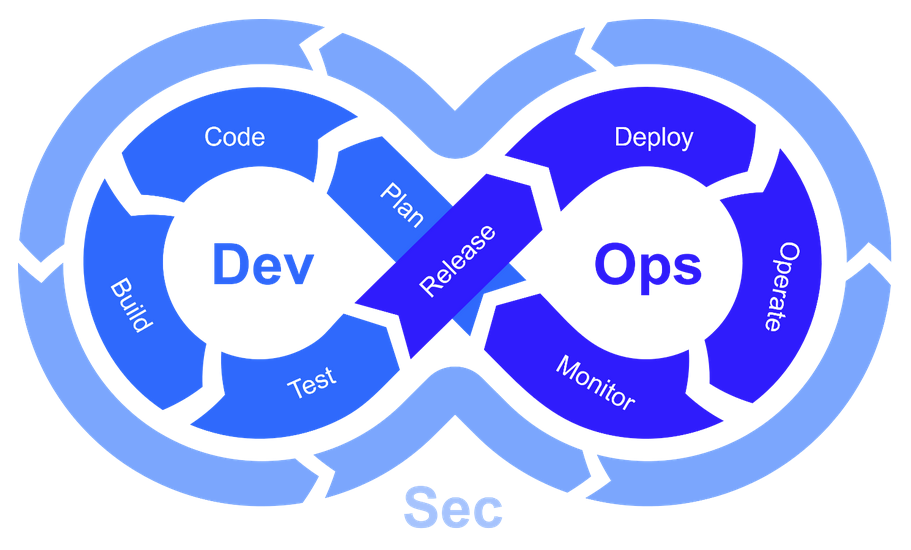
DevSecOps brings development, security, and operations teams together to build and deliver software quickly while keeping security at the center of the process. While automation, tools, and technical expertise are essential to a successful DevSecOps strategy, one factor is often underestimated: communication.
When teams communicate effectively, security issues can be identified earlier, development bottlenecks can be reduced, and software can move from development to production with greater confidence. Poor communication, on the other hand, can create misunderstandings, delayed fixes, duplicated work, and security gaps.
What Is DevSecOps?
DevSecOps is an approach that integrates security practices into the DevOps lifecycle rather than treating security as a final checkpoint before software is released.
In a traditional development environment, developers may build an application, operations teams may deploy it, and security specialists may review it near the end. DevSecOps encourages these teams to work together throughout the entire software development lifecycle.
This collaboration means security becomes a shared responsibility rather than the responsibility of a single department.
Communication Creates Shared Responsibility
One of the biggest benefits of strong communication in DevSecOps is that it creates a common understanding of security responsibilities.
Developers need to understand security requirements when writing code. Security professionals need to understand development workflows and business priorities. Operations teams need visibility into infrastructure risks and deployment changes.
Regular communication helps everyone understand who is responsible for specific tasks and how their work affects other teams. This reduces the common problem of assuming that someone else is handling a security issue.
Faster Identification and Resolution of Security Issues
Security vulnerabilities can become more difficult and expensive to fix when they are discovered late in the development cycle.
Effective communication allows security teams to share findings with developers as soon as potential problems are detected. Developers can then understand the issue, determine its impact, and make appropriate changes before the software reaches production.
For example, if an automated security scan identifies a vulnerable dependency, a clear communication process ensures that the development team receives enough information to understand the vulnerability and decide how to address it.
The goal is not simply to report problems but to make sure the right people understand them and can act quickly.
Breaking Down Team Silos
DevSecOps teams often include people with very different technical backgrounds. Developers may focus on application code, security specialists on threats and vulnerabilities, and operations professionals on infrastructure, availability, and performance.
Without communication, these different priorities can create silos.
A developer might see a security requirement as an obstacle to faster delivery, while a security professional may see the same requirement as essential risk protection. Open discussions can help both sides understand the reasons behind decisions.
Instead of working as separate departments, teams can collaborate toward the same goal: delivering reliable and secure software.
Better Communication Improves Automation
Automation is a major part of DevSecOps. Teams commonly use automated testing, vulnerability scanning, continuous integration, continuous delivery, infrastructure-as-code, and monitoring tools.
However, automation does not eliminate the need for communication.
Teams need to agree on what should be automated, which security checks should be included, how failures should be handled, and who should respond when an automated process identifies a problem.
For example, if a security pipeline blocks a deployment, developers and security teams should already understand why that can happen and what the appropriate response should be. Clear communication prevents automated security controls from becoming confusing barriers to development.
Choosing the Right Communication Channels
Not every DevSecOps discussion needs a meeting. Teams can use different communication channels depending on the situation.
Chat platforms can be useful for quick questions and incident coordination. Project management tools can track security tasks and responsibilities. Documentation can capture security standards, processes, and decisions. Meetings can be valuable for complex architectural discussions or major security incidents.
The important thing is to make information accessible to the people who need it without creating unnecessary communication overhead.
Communication During Security Incidents
Strong communication becomes especially important during a security incident.
When a vulnerability or breach is discovered, teams need to know what happened, what systems are affected, what actions are being taken, and who is responsible for each task.
A predefined incident communication process can reduce confusion and help teams respond more efficiently. Clear roles, escalation procedures, and documentation allow technical teams to focus on resolving the problem instead of trying to determine how they should communicate.
Building a Culture of Open Communication
Effective DevSecOps communication is more than sending messages and attending meetings. It requires a culture where team members feel comfortable raising concerns.
Developers should be able to report security problems without fear of blame. Security professionals should be able to explain risks without unnecessarily slowing development. Operations teams should be able to highlight infrastructure concerns before they become serious incidents.
A blame-free environment encourages people to share problems early, which is particularly valuable in security.
Conclusion
Communication is one of the foundations of an effective DevSecOps team. Tools and automation can identify vulnerabilities and streamline workflows, but people still need to understand risks, share information, make decisions, and coordinate responses.
By encouraging collaboration between development, security, and operations teams, organizations can identify problems earlier, resolve issues faster, reduce misunderstandings, and build more secure applications.
Ultimately, successful DevSecOps is not just about integrating security into technology. It is about integrating security into the way teams communicate, collaborate, and work together.